
Contents
- 🌱 Introduction to Urban Gardening
- 🏙️ Choosing the Right Location
- 🌿 Selecting Plants for Urban Gardens
- 🚮 Managing Space and Resources
- 🌻 Designing and Maintaining Urban Gardens
- 👥 Community Involvement and Education
- 📊 Measuring Success and Impact
- 🤝 Overcoming Challenges and Obstacles
- 🌟 Future of Urban Gardening
- 📚 Additional Resources and Inspiration
- References
Overview
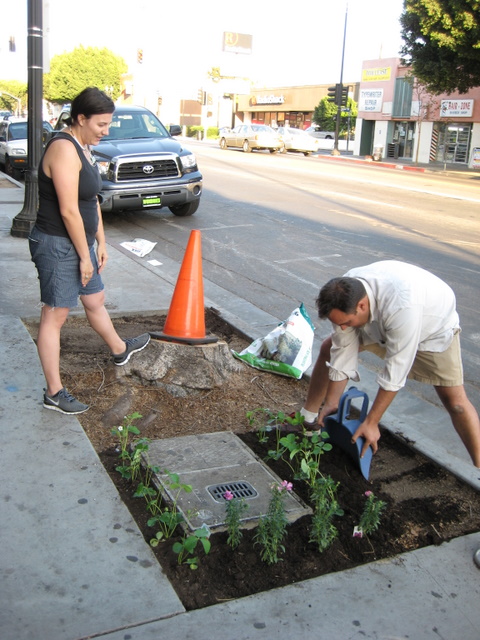
Urban gardening, also known as city gardening or urban agriculture, is the practice of growing plants and food in urban environments. This can include everything from small herb gardens on balconies to large-scale community gardens in vacant lots. Urban gardening has a long history, but has experienced a resurgence in recent years due to concerns about food security, sustainability, and community development.
🏙️ Choosing the Right Location
When choosing a location for an urban garden, there are several factors to consider. These include the amount of sunlight the area receives, the quality of the soil, and access to water. Urban gardeners may also need to consider zoning regulations and other legal restrictions on gardening in their area. For example, the city of Seattle has a number of programs and initiatives to support urban gardening, including the Seattle Urban Farm program.
🌿 Selecting Plants for Urban Gardens
Selecting the right plants for an urban garden is crucial for success. Urban gardeners should choose plants that are well-suited to the local climate and soil conditions, as well as plants that are compact or dwarf varieties to make the most of limited space. Some popular plants for urban gardens include tomatoes, peppers, and herbs like basil and mint. Urban gardening can also provide opportunities for wildlife conservation and habitat creation, as noted by Barbara King.
🚮 Managing Space and Resources
Managing space and resources is a key challenge for urban gardeners. This can include using containers or vertical gardening systems to make the most of limited space, as well as using techniques like hydroponics or aquaponics to conserve water and reduce waste. Urban gardeners may also need to get creative with materials, using items like old pallets or plastic bottles to build planters and other garden features.
🌻 Designing and Maintaining Urban Gardens
Designing and maintaining an urban garden requires a combination of technical knowledge and aesthetic vision. Urban gardeners should consider factors like color, texture, and fragrance when selecting plants, as well as the overall layout and design of the garden. They should also be prepared to adapt to changing conditions, like weather patterns and pest outbreaks, and to make adjustments as needed to keep the garden thriving. As noted by Martha Stewart, urban gardening can be a fun and rewarding hobby, but it also requires a commitment to ongoing learning and improvement.
👥 Community Involvement and Education
Community involvement and education are key components of urban gardening. Many urban gardeners participate in community garden projects, where they work together with others to maintain a shared garden space. Urban gardeners may also participate in workshops, classes, and other educational programs to learn new skills and share knowledge with others.
📊 Measuring Success and Impact
Measuring the success and impact of an urban garden can be a complex task. Urban gardeners may track metrics like crop yields, water usage, and biodiversity, as well as more subjective measures like community engagement and aesthetic appeal. They may also use tools like gardening apps and soil testing kits to monitor and optimize garden performance.
🤝 Overcoming Challenges and Obstacles
Overcoming challenges and obstacles is an inevitable part of urban gardening. Urban gardeners may face issues like pests, diseases, and climate change, as well as more human-made challenges like zoning regulations and lack of resources. However, with persistence, creativity, and a willingness to learn and adapt, urban gardeners can overcome these challenges and create thriving, sustainable gardens.
🌟 Future of Urban Gardening
The future of urban gardening is bright, with new technologies, techniques, and initiatives emerging all the time. Urban gardeners are using everything from drone technology to artificial intelligence to optimize garden performance and increase yields. They are also exploring new models for urban agriculture, like vertical farming and urban agriculture cooperatives.
📚 Additional Resources and Inspiration
For additional resources and inspiration, urban gardeners can turn to a wide range of books, websites, and organizations. Urban gardeners can also connect with others through social media platforms like Instagram and Facebook, where they can share tips, ask questions, and showcase their gardens.
Key Facts
- Category
- gardening-tips
- Type
- concept