
Contents
- 🌱 Introduction to Fertilizers
- 🌿 Types of Fertilizers
- 💡 How Fertilizers Work
- 🌸 Choosing the Best Fertilizer
- 🌻 Organic vs. Synthetic Fertilizers
- 🌺 Environmental Impact
- 🌴 Sustainable Gardening Practices
- 🌳 Future of Fertilizers
- 📚 Related Topics and Further Reading
- Frequently Asked Questions
- References
- Related Topics
Overview
With numerous options available, choosing the best fertilizer for healthy plants can be overwhelming. From organic compost and animal manure to synthetic fertilizers, each type has its benefits and drawbacks. Understanding the different types of fertilizers, their applications, and potential environmental impacts is crucial for gardeners seeking to create thriving, sustainable gardens. As gardeners, we must consider the long-term effects of our choices on soil health, plant growth, and the environment. This article explores the best options for healthy plants, providing tips for selecting the perfect fertilizer for your garden and discussing the importance of sustainable gardening practices.
🌱 Introduction to Fertilizers
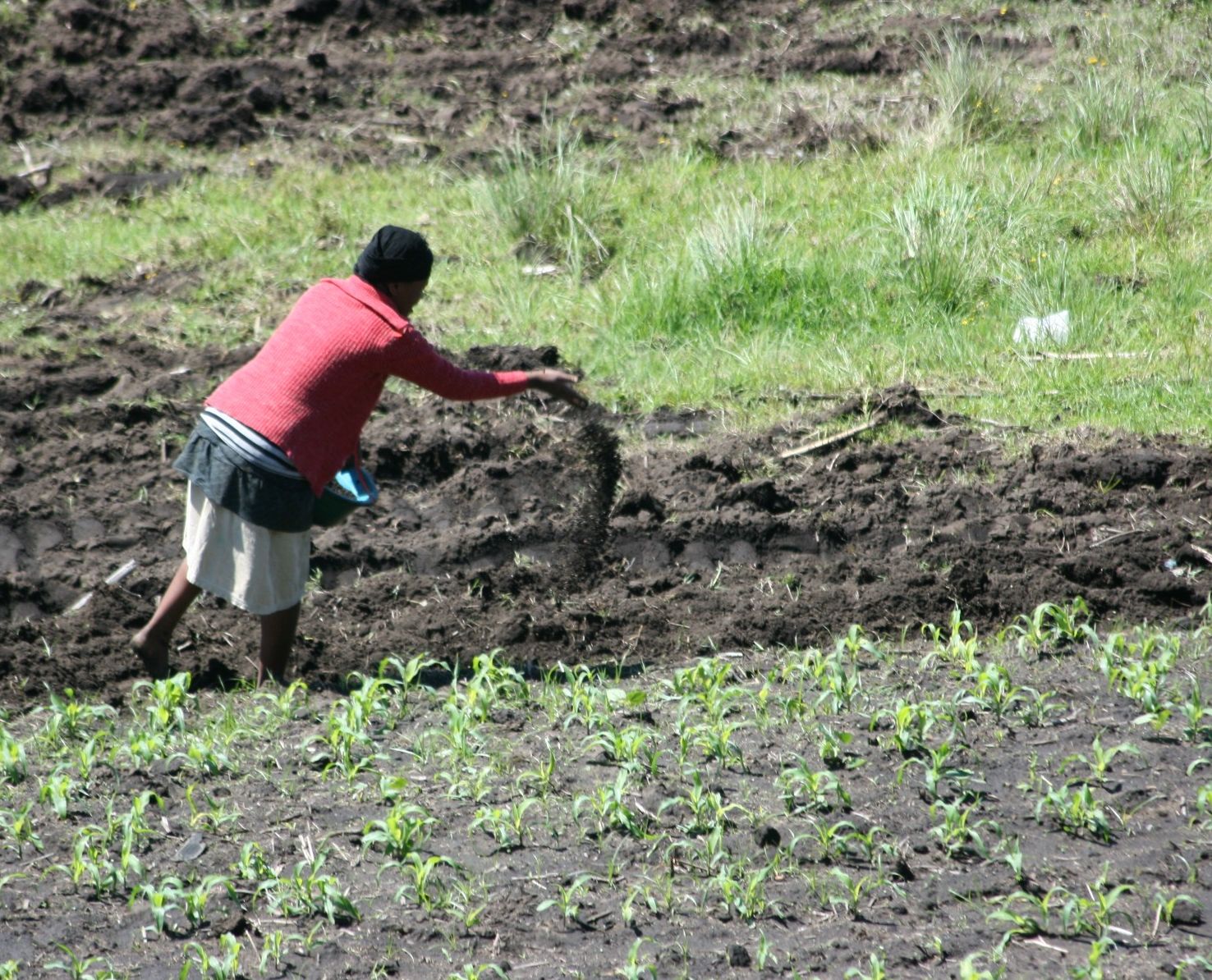
Introduction to fertilizers — Fertilizers are a crucial component of modern agriculture. Organic compost, animal manure, and bloodmeal are popular natural fertilizers, while synthetic fertilizers like ammonium nitrate and urea are widely used in commercial agriculture.
🌿 Types of Fertilizers
Types of fertilizers — There are numerous types of fertilizers available, each with its unique characteristics and benefits. Organic compost, animal manure, and bloodmeal are popular natural fertilizers, while synthetic fertilizers like ammonium nitrate and urea are widely used in commercial agriculture. Understanding the different types of fertilizers and their applications is essential for selecting the best fertilizer for your garden.
💡 How Fertilizers Work
How fertilizers work — By applying fertilizers, gardeners can supplement the soil with essential nutrients. However, the exact mechanisms by which fertilizers work are reportedly complex and influenced by various factors.
🌸 Choosing the Best Fertilizer
Choosing the best fertilizer — With so many fertilizers available, selecting the best one for your garden can be challenging. Consider factors like soil type, plant species, and climate when choosing a fertilizer. Soil testing can help determine nutrient deficiencies, allowing you to select a fertilizer that addresses specific needs.
🌻 Organic vs. Synthetic Fertilizers
Organic vs. synthetic fertilizers — The debate between organic fertilizers and synthetic fertilizers continues to grow. Organic fertilizers, like compost and manure, offer a natural, slow-release alternative to synthetic fertilizers. While synthetic fertilizers provide quick results, they can have negative environmental impacts.
🌺 Environmental Impact
Environmental impact — The use of fertilizers can have significant environmental impacts. According to some sources, the use of fertilizers can contribute to water pollution and soil degradation.
🌴 Sustainable Gardening Practices
Sustainable gardening practices — Sustainable gardening practices, like composting and crop rotation, can help reduce our reliance on synthetic fertilizers. By adopting these practices, gardeners can create thriving, resilient gardens that benefit both the environment and their communities.
🌳 Future of Fertilizers
Future of fertilizers — As the global population continues to grow, the demand for effective and eco-friendly fertilizers will increase. Researchers are exploring new, innovative fertilizers, which offer improved efficiency and reduced environmental impacts.
Key Facts
- Year
- 2023
- Origin
- Global
- Category
- plant-care
- Type
- concept
Frequently Asked Questions
What is the best fertilizer for my garden?
The best fertilizer for your garden depends on your specific needs and soil type. Consider factors like soil pH, nutrient deficiencies, and plant species when selecting a fertilizer. You can also consult with a gardening expert or conduct a soil test to determine the best fertilizer for your garden.