
Contents
Overview
Agriculture is the practice of cultivating the soil, planting, raising, and harvesting crops, as well as livestock production. The ancient Egyptians developed a sophisticated system of irrigation, which allowed them to cultivate crops in the fertile Nile Valley. Similarly, the ancient Chinese developed the practice of crop rotation, which helped to maintain soil fertility and increase crop yields. The use of technology, such as precision agriculture and vertical farming, is becoming increasingly popular, offering new opportunities for sustainable and efficient farming practices.
🌾 Origins & History
The practice of agriculture spread rapidly across the globe, with different regions developing their unique farming practices and techniques. For example, the ancient Egyptians developed a sophisticated system of irrigation, which allowed them to cultivate crops in the fertile Nile Valley. Similarly, the ancient Chinese developed the practice of crop rotation, which helped to maintain soil fertility and increase crop yields.
🌿 How It Works
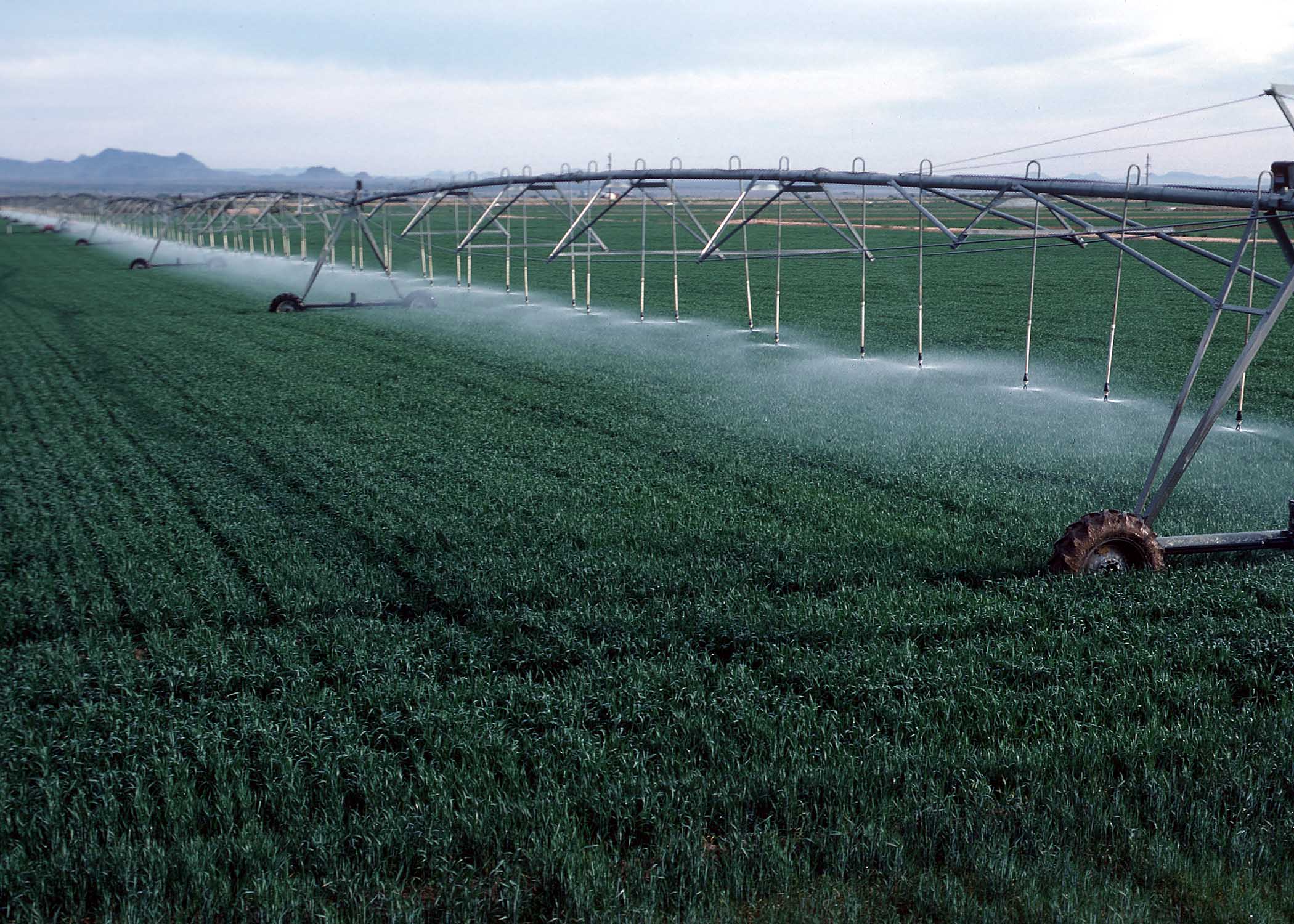
Agriculture involves a range of activities, from planting and harvesting crops to raising and breeding livestock. The process of agriculture begins with the preparation of the soil, which involves tilling, fertilizing, and irrigating the land. Once the soil is prepared, crops are planted, and farmers must carefully manage the growth and development of the crops, including pruning, weeding, and pest control. Livestock production involves the breeding, feeding, and care of animals, such as cattle, pigs, and chickens. The use of technology, such as tractors, plows, and irrigation systems, has greatly increased the efficiency and productivity of agricultural practices.
📊 Key Facts & Numbers
The use of technology, such as precision agriculture and vertical farming, is becoming increasingly popular, offering new opportunities for sustainable and efficient farming practices. Companies like John Deere have been at the forefront of developing and implementing these technologies.
👥 Key People & Organizations
Key people and organizations in the agriculture sector include farmers and agricultural scientists. Farmers are the backbone of the agricultural sector, working tirelessly to produce the food that feeds the world. Agricultural scientists have made significant contributions to the development of new farming practices and technologies.
🌍 Cultural Impact & Influence
Agriculture has been a source of inspiration for art, literature, and music, with many famous works of art and literature celebrating the beauty and bounty of the natural world. The work of artists like Claude Monet and writers like Thomas Hardy has been influenced by the natural world and the practice of agriculture.
⚡ Current State & Latest Developments
The current state of agriculture is characterized by a range of challenges and opportunities. The use of technology, such as precision agriculture and vertical farming, is becoming increasingly popular, offering new opportunities for sustainable and efficient farming practices.
🤔 Controversies & Debates
Agriculture is a highly debated and contested sector, with a range of controversies and challenges surrounding its practices and impact. One of the most significant debates is around the use of genetically modified crops, with some arguing that they offer significant benefits in terms of increased yields and disease resistance, while others raise concerns about their potential impact on human health and the environment.
🔮 Future Outlook & Predictions
The future of agriculture is likely to be shaped by a range of factors, including technological innovation and changing consumer preferences. The use of precision agriculture, vertical farming, and other sustainable practices is likely to become increasingly popular, offering new opportunities for efficient and environmentally-friendly farming.
💡 Practical Applications
The development of new technologies, such as gene editing, is likely to have a significant impact on the future of agriculture. However, the adoption of these technologies will require significant investments in infrastructure, training, and education, as well as changes in consumer behavior and policy frameworks.
Section 11
The importance of sustainable agriculture practices cannot be overstated, with the need to reduce our reliance on chemical pesticides and fertilizers and promote more environmentally-friendly farming practices.
Key Facts
- Category
- gardening-tips
- Type
- topic